
CEO Burnout Recovery: What the 2026 Data Says, and What Actually Works
71% of CEOs met clinical criteria for significant burnout, according to a 2026 review of 298 executives. 63% of them deliberately hid the severity from their boards. The median gap between recognizing the burnout and getting help: 19 months.
Those numbers come from CEREVITY, a clinical practice, not a survey asking do you feel stressed sometimes. Survey-based figures run as high as 94% when the question is any symptom over a year, and as low as 32% for daily frequency. CEREVITY's threshold sits in the middle and is arguably the most meaningful one: functional impairment, measured through structured clinical assessment.
Quick summary before the detail:
- 71% of CEOs met clinical criteria for significant burnout in a 2026 review of 298 executives (CEREVITY)
- 63% deliberately concealed the severity from their boards
- The median gap between recognizing burnout and getting help: 19 months
- Founder burnout differs from general burnout: identity fusion and disclosure stakes make standard fixes ineffective
- Generic interventions like resilience training and wellness apps show close to no effect in the research on this population
- Recovery works best as structured, confidential work with someone who has no stake in the company
How common is CEO burnout? The 2026 numbers
The clinical review, conducted by CEREVITY between January 2025 and August 2026 on 298 senior executives and CEOs, found 71% met structured clinical criteria for significant burnout. Of those: 63% reported deliberately concealing the severity from their boards, 49% said the strain was affecting the quality of their decisions, and the median time from clear recognition to a first clinical session was 19 months.
The founder-specific data is darker. Sifted's February 2025 survey of 138 founders found 54% had experienced burnout in the previous twelve months, and 46% rated their mental health as bad or very bad. A separate study covering more than 800 European startup founders found 34% had seriously considered leaving their CEO role in the preceding twelve months, with chronic sleep disruption (61%), persistent anxiety about runway (58%), and identity erosion, the sense of having become indistinguishable from the company, as the main drivers.
In my own practice and reader community, the pattern holds: 76% of assessed leaders scored below 75 of 100 on life satisfaction (n=29), and 1 in 10 described burnout unprompted in my reader survey (n=83). These are people who think about this for a living, and they still ended up there.
Why CEO burnout is different
Burnout is not the same thing across roles. The clinical picture for founders and CEOs has specific features that make standard corporate wellness approaches close to useless.
Identity fusion. A founder's identity and the company's identity are not separate things. That fusion is a feature during early growth: it produces the intensity that builds companies. In burnout, it becomes the problem. Recovery needs perspective from outside the thing you built, and survival instinct alone will not supply that.
No safe place to say it. Your board holds equity. Your co-founder shares payroll. Your investors evaluate your judgment every funding round. Your team looks to you for stability. There is no obvious place to say I don't think I can do this anymore, because every place comes with a stake, a vote, or a relationship that shifts the moment you say the real thing out loud.
Disclosure has career consequences. The CEREVITY data is direct: 63% of CEOs with significant burnout are actively hiding it from their boards. That is not denial. It is rational. Boards do not always separate this person is struggling and could use support from this person's judgment should be reviewed. The concealment often protects the CEO, but it also extends the time before recovery starts.
The company does not pause. General burnout advice says rest, cut obligations, take time off. For a CEO of a 50-person company with a leadership team depending on them and runway to manage, that advice is not wrong so much as structurally impossible without changes most companies cannot absorb.
Why standard fixes don't work
If you have tried resilience training, a mindfulness app, a mental health day, or a wellness retreat and found it was not enough, the evidence backs you up.
A cluster-randomized clinical trial on generic workplace wellness programs found no significant effect on the outcomes that matter for functional impairment. CEREVITY's own analysis found equivalent wellbeing between program participants and non-participants when tested cross-sectionally. These tools do help with prevention and mild stress in the general population. They were built for a different problem.
A CEO running a company at the same time does not need recovery in a vacuum. What helps is someone to work with inside the actual situation, on the specific decisions, the specific relationships, and the specific patterns compounding the problem.
What the evidence says actually works
The strongest evidence for CEO-level burnout points to individualized, structured coaching or clinical support that sits structurally outside the company: no stake, no equity, no role in evaluating the CEO's performance.
Role-informed work. A coach or clinician who has never run a 150-person company, managed a board, or held a team's morale together cannot do accurate work here. The dynamics are not generic. Tell me more about that does not go far enough when the person across from you is deciding whether to fire their co-founder.
Candor the company can't hold. The conversations that move the needle are the ones that cannot happen safely inside the company: who is underperforming but protected by loyalty, what you actually think of your co-founder, whether you want to keep doing this for another five years. Those conversations need somewhere to go that is not the boardroom.
The whole person, not just the role. Burnout at this level is rarely only professional. Sleep is involved. Relationships are involved. The body is involved. Treating the role and ignoring the rest produces a CEO who runs the company better and is still not doing well as a person.
Structure. Accountability between sessions, homework, real tasks, not just talking, is what separates coaching from a weekly lunch with a mentor. The work between sessions is where the change actually happens.
How to choose a burnout recovery coach for founders
Not every executive coach specializes in burnout, and the category is broad. A few things worth checking before you hire one.
Lived experience. A coach who has built a company and been through burnout personally understands what you are describing from the inside, in a way a coach without that experience cannot. Credentials still matter. Look for both.
Confidentiality and structure. The coach should have no relationship with your board, your investors, or anyone with equity or a vote on your tenure. That separation is the entire point.
Rigor, not just comfort. A good burnout recovery coach is not primarily a sympathetic listener. The work includes direct feedback, hard questions, and real accountability. A coach who mainly validates is useful for emotional support and insufficient for this.
What happens between sessions. The strongest coaching relationships include async work: writing, thinking, reporting back, not just a call every two weeks. If the answer is nothing, take that as a signal.
A framework for the whole person. Sleep, relationships, physical health, and a sense of meaning all feed a CEO's operating capacity. A coach whose framework only touches the professional side is working with one hand.
A diagnostic entry point. Effective coaching starts with a structured read on where the person actually is: performance, life satisfaction, energy, patterns. Without a baseline, there is no way to measure whether anything moved.
What to expect from burnout recovery coaching
Recovery does not flip like a switch. The timeline depends heavily on how long the burnout has been building.
First 30 days: diagnostic and baseline. Getting clear on what is actually happening, what is driving it, and what the person is trying to build. Most founders arrive with a presenting problem, I'm exhausted and reactive, and a different real problem underneath it: I haven't made a real decision about my co-founder in 18 months.
30 to 90 days: structural change begins. Sleep, scheduling, the specific relationships creating the most drag. Energy often starts returning in this window, which can make things feel worse before they feel better, because more capacity means noticing what you have been tolerating.
90 days and beyond: the deeper pattern work. Identity-level questions: what kind of leader you want to be, what you are actually building, whether the current path serves the life you want. For many clients, this is where recovery starts to look like reinvention.
My own entry point is a 90-minute diagnostic, the Whole Human Baseline, where we build a 30-day plan together. Clients who continue move into the Whole Human Reset, a 90-day engagement with six deep sessions and unlimited async support in between. I have worked with 69 founders and CEOs across 13 countries, and the pattern holds: the ones who recover fastest treat the recovery as seriously as their most important business problem.
Common questions
What is the difference between CEO burnout recovery coaching and executive coaching?
Standard executive coaching focuses on performance, leadership development, and professional skills. Burnout recovery coaching addresses the accumulated deficit directly: depleted energy, compromised decision-making, and identity strain from sustained over-extension. The strongest version of this work does both, treating the role and the person at once.
How long does founder burnout recovery take?
It depends on how long the burnout has been building. Measurable progress, better energy and clearer decisions, usually shows up within 30 to 90 days of structured work. Full recovery, including the identity-level work, is more often a 6 to 12 month process.
Is therapy or coaching better for CEO burnout?
For clinical-level burnout with real impairment, clinical care such as therapy or psychiatric support may be the right place to start. For founders who are still functional but running on empty, the most common case, structured coaching tends to be more practical and better matched to the role. The two are not mutually exclusive, and many recovery paths run both in parallel.
How much does founder burnout recovery coaching cost?
It depends on the coach's operating history and whether you buy sessions or a structured programme. Coaching with a diagnostic baseline and an accountability structure costs more than generalist coaching and produces different results. Current ranges and my prices are here: how much does a founder coach cost.
Why do so many CEOs wait so long before getting help for burnout?
CEREVITY's data shows a median 19-month gap between recognizing burnout and seeking care. The main reasons are fear of disclosure, the belief that rest alone will fix it, and no clear path to help that actually matches the role.
What is founder identity erosion?
It is the state where a founder's personal identity and the company's identity have become impossible to tell apart. The founder measures their worth by the company's performance, cannot separate a hard quarter from personal failure, and has no sense of self outside the role.
About this piece
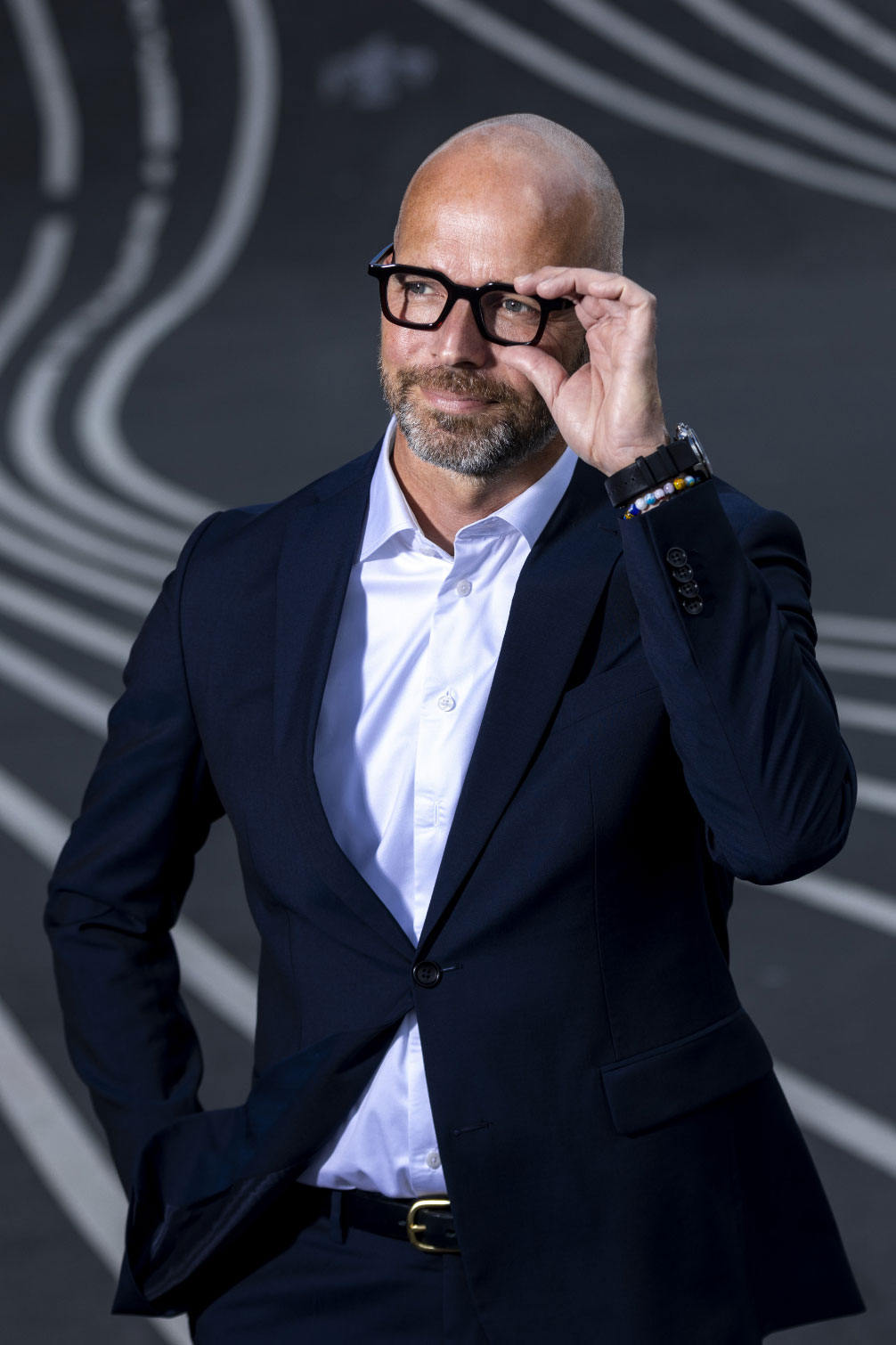
Peter Sorgenfrei coaches founder-CEOs of companies with 20 to 400 employees. He ran six companies over fifteen years, went through a full burnout collapse in 2020, and rebuilt. He has coached 69 founders and CEOs across 13 countries and wrote The Whole Human Leader (Wiley, 2026). The original data referenced here comes from his coaching practice and reader community; the full breakdown is on the statistics page.
If you want to see where you stand before anything else, the free burnout risk quiz takes ten minutes.
Sources
CEREVITY Clinical Whitepaper, Series No. 48 (2026): 71% of CEOs Report Burnout, What Actually Helps
Sifted, February 2025: founder mental health survey, n=138
Silicon Canals, February 2026: European founder-CEO burnout study, Q1 2025, n=800+
Founder Mental Health Survey 2026
Peter Sorgenfrei's original practice data (2026)
.png)

